

WELCOME HOME!
|
If you own real estate and you're thinking of selling, the Macchiusi Sales Team would be happy to provide you with a FREE Home Evaluation.
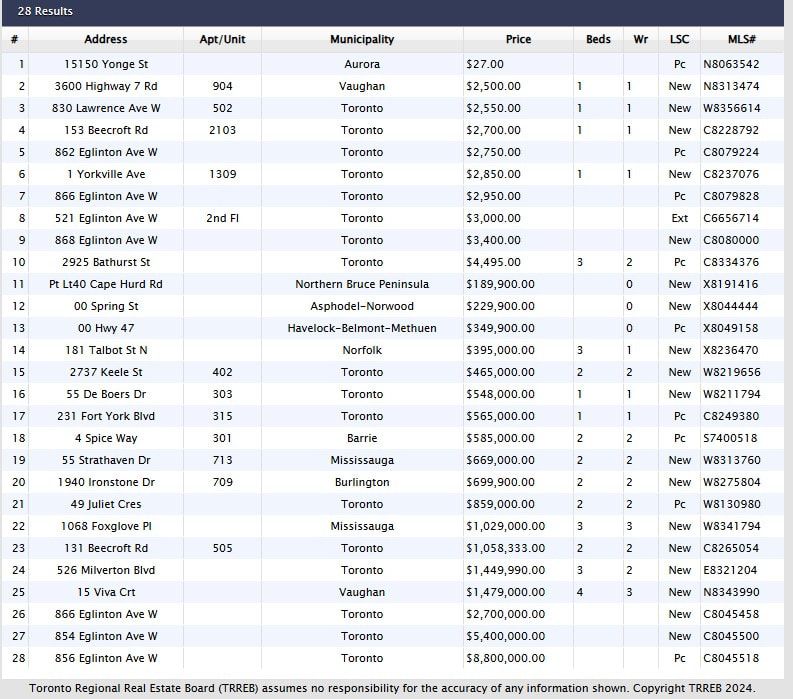
In today's competitive real estate market, timing is everything. Many good homes are sold before they are ever advertised. Beat other homebuyers to the hottest new homes for sale in North York with my New Listings Notification. Whether you are buying or selling a home, hire someone like us, who wants to earn your business. We invite you to contact us as we'd be happy to assist you with this important transaction. |
Please Note:
The information contained herein, is believed to be accurate, and if it is not warranted to be so. It is up to the visitor of this site to verify any details that are of importance to them. We provide links to other sites as a courtesy service only and we take no responsibility for the content of other sites/links nor do we take responsibility for the Privacy Policies for other websites or how your Personally Identifiable Information is used by those sites or any of their Third Party Partners. Some properties which appear for sale or for lease in this advertisement may no longer be available because they have been sold or leased conditionally, or have been sold or leased firm or are no longer being offered for sale or lease. Thank-You
The information contained herein, is believed to be accurate, and if it is not warranted to be so. It is up to the visitor of this site to verify any details that are of importance to them. We provide links to other sites as a courtesy service only and we take no responsibility for the content of other sites/links nor do we take responsibility for the Privacy Policies for other websites or how your Personally Identifiable Information is used by those sites or any of their Third Party Partners. Some properties which appear for sale or for lease in this advertisement may no longer be available because they have been sold or leased conditionally, or have been sold or leased firm or are no longer being offered for sale or lease. Thank-You

Rose Macchiusi Your TORONTO and GTA Sales Representative office 416-636-6800 direct 647-800-5201 Weiss Realty Ltd. Real Estate Brokerage
|

|

Weiss Realty Ltd. 332 Marlee Ave 416-636-6800
